


Blog
.webp)

Tu Marca No Está Muerta—Simplemente Se Ha Quedado Muda
Desarrollar una voz de marca no es un capricho creativo. Es reanimación cardiopulmonar para marcas que han olvidado, literalmente, cómo sonar vivas.
Y no, no necesitas un logo nuevo. Lo que necesitas es un tono que no suene a: “Esto lo redactó el departamento jurídico.” Porque mientras tú maquillas copys y haces pruebas A/B con titulares que ni tus becarios clicarían, tu audiencia se te escapa por la puerta de atrás. Sin hacer ruido. Sin dramas. Simplemente... se van.
Tienes el producto. Tienes presupuesto. Pero si tu voz suena a burocracia de oficina, estás perdiendo atención cada hora.
Según Forbes, el 86 % de los consumidores prefieren marcas que suenan como si supieran quiénes son de verdad. Así que si tus mensajes de marketing todavía parecen una nota de prensa de 2013, este artículo es para ti.
Ponle voz ya. O asume que tu marca se va a desvanecer a mitad de frase.
El Síntoma No Diagnosticado de la Muerte de una Marca: La Inconsistencia
No siempre es el producto, y rara vez es el momento.
La mayoría de las marcas que fracasan suenan como si hubieran subcontratado su voz a un grupo rotativo de becarios adictos al diccionario de sinónimos. Una semana eres atrevida. La siguiente, formal. Y para el tercer trimestre, estás publicando textos que parecen cláusulas legales.
Solo el 30 % de las marcas tienen directrices de voz que su equipo conoce y realmente utiliza. Claro, el otro 70 % tal vez tenga un deck olvidado en alguna carpeta, pero ¿consistencia? Cero. Es como intentar generar confianza con una marca que cambia de personalidad a mitad de frase.
Y esto no es solo un problema de branding. Es una fuga de ingresos. Según Forbes, una marca coherente en todos los canales puede aumentar los ingresos hasta en un 23 %. Pero si la voz de tu marca en marketing tiene la personalidad de una tostada mojada, ese aumento se esfuma.
Aquí viene lo que duele: incluso las marcas con un producto fuerte pierden cuando el tono no encaja.
¿Te acuerdas de Evernote?
Un producto brillante. Pero años de mensajes confusos y cambios de tono enviaron a los usuarios directito a alternativas que simplemente… se sentían más afines. No fue un problema técnico. Fue la inconsistencia en la voz de marca destrozando silenciosamente la lealtad.
No necesitas un nuevo eslogan. Necesitas una rehabilitación de tono.
O tal vez solo necesitas empezar a usar la IA como se debe para corregir ese desajuste. El Copywriter con IA de ZoomSphere hace justamente eso. Defines tu personalidad de marca una vez, y a partir de ahí, cada prompt que envíes se mantiene fiel a ese tono. Sin más cambios de personalidad. Sin más crisis de identidad de marca.
Por Qué las Personas Abandonan Marcas Que “No Suenan Bien”
La gente no confía en marcas que suenan confundidas. Ni en las que suenan enscriptadas. Ni en las que parecen ChatGPT disfrazado de ejecutivo corporativo.
La verdad es… estamos psicológicamente programados para rechazar la disonancia tonal. Cuando una marca dice “somos humanos” y luego le responde a un cliente con: “Lamentamos cualquier inconveniente que esto haya podido causar,” el cerebro no lo procesa como neutral. Lo interpreta como traición.
De hecho, según la investigación en comportamiento del consumidor, los clientes reflejan inconscientemente el tono emocional. Si el tono de tu marca es rígido, se desconectan. Si está tan pulido que parece falso, no lo creen.
El 81 % de los consumidores necesita confiar en una marca antes siquiera de considerar comprarle, según el CDP Institute. Sin claridad, sin consistencia, sin confianza. Así de simple.
¿Aún crees que el tono no importa?
El 91 % de los marketers senior dicen que el lenguaje de marca es una parte clave de la estrategia. Es decir: la mayoría ya entendió que el tono es estrategia.
Y aun así, la mayoría de los mensajes de marca suenan como si los hubieran escrito cinco departamentos distintos… en cinco décadas diferentes.
Esto no es un problema creativo. Es un fracaso estratégico de voz de marca. Arregla el tono. Detén el abandono. O sigue preguntándote por qué la gente hace clic… y desaparece.
{{cta-component}}
Cómo la Inconsistencia Mata Silenciosamente los Ingresos
No necesitas “escalar” tu voz. Necesitas dejar de cambiarla cada martes.
No finjamos que una voz de marca rota es inofensiva. Cada vez que tu mensaje cambia de tono —demasiado casual aquí, inquietantemente corporativo allá— le estás diciendo en silencio a tu audiencia: “No confíes en nosotros.” Y ellos escuchan. Porque un tono inconsistente no solo suena raro. Se siente raro. Y las personas reaccionan rápido ante esa señal visceral.
Por supuesto que hay datos. Las marcas con mensajes coherentes en todos los canales generan más ingresos. Y aun así, muchas siguen improvisando su voz como si estuvieran en una noche de stand-up.
Slack no lo hace. Su estrategia de voz de marca es una de las pocas que realmente merece aplausos. Amigable, clara, cercana — incluso su documentación para APIs se siente como una conversación, no como un castigo.
En cambio, Yahoo —¿te acuerdas de Yahoo?— pasó de líder del sector a fantasma sin tono. Un día afilado, al siguiente insípido, y de repente, extrañamente juguetón en los textos de producto. Su voz de marca en marketing perdió toda forma. La confianza fue lo primero en irse. Los ingresos no tardaron en seguirla.
Eso es la consistencia de la voz de marca como un factor de supervivencia medible. Cuando tu audiencia no puede predecir cómo va a hablar tu marca la próxima vez, empieza a esperar lo peor. Y luego actúa en consecuencia.
Así que antes de aprobar otra campaña de pago, pregúntate:
¿Tu voz suena como si perteneciera a alguien real? ¿O más bien como si tu copywriter hubiera girado una ruleta de estilos?
De cualquier forma, los resultados se notan. Y las consecuencias… también.
La Solución Real: Proceso de Desarrollo de Voz de Marca (Con Una Dosis de Realismo)
Un mal tono no es solo un problema creativo. Es un fallo estratégico. La mayoría de las marcas no necesita más sesiones de lluvia de ideas — necesita una auditoría brutal, línea por línea, de en qué se ha convertido su voz. Y luego, un reinicio total.
Aquí te mostramos cómo empezar a escarbar.
Empieza con una Autopsia de Voz
Abre tu bandeja de entrada. Revisa tu feed de X. Mira el flujo de onboarding de tu producto. ¿Todo suena como si viniera de una sola mente coherente… o como si quince becarios estuvieran discutiendo en un hilo de Slack?
Este es el paso cero en el proceso de desarrollo de voz de marca: identificar la disonancia. ¿Tus tweets rozan lo ingenioso mientras tus emails suenan como plantillas del departamento de RRHH? Si la respuesta es sí, ahí está la raíz del problema. Sigue excavando.
Define la Personalidad de Marca
Olvídate de “amigable”, “audaz” e “innovadora”. Eso no son rasgos de personalidad — son lo que dicen las marcas cuando no han pensado absolutamente nada. Necesitas una especificidad brutal. Prueba con algo como:
- “Segura de sí misma, pero alérgica al relleno.”
- “Apoyadora, pero nunca empalagosa.”
- “Obsesiva, un poco intensa, y definitivamente nada aburrida.”
Este es el momento en que tu framework de voz de marca empieza a tomar forma real. El tono auténtico vive en los matices, no en adjetivos que suenan a presentación de agencia del 2011.
Define las Reglas de Voz (y Prohíbe los Buzzwords)
Sé específico. Define lo que sí se dice y lo que jamás se permite. Por ejemplo:
- Di “la cagamos”, no “lamentamos los inconvenientes.”
- Usa contracciones para sonar humano.
- Nunca escribas nada que parezca revisado por el departamento legal antes de llegar al lector.
Esto se convierte en tu plantilla de voz de marca — tu línea en la arena. Y no, no es algo que se queda enterrado en Notion. Lo usas. A diario.
Mantén el Tono, Sin Importar Quién Escriba
¿Alguien se fue de vacaciones y entra un nuevo copywriter? ¿O tal vez tienes a cinco personas distintas creando contenido para el mismo cliente? Que todos hablen con el mismo tono no es negociable.
Define tu personalidad de marca una vez, y luego usa una herramienta como el Copywriter con IA de ZoomSphere para asegurarte de que cada prompt mantenga la misma voz. Sin adivinanzas. Sin latigazos de tono.
Haz Control de Calidad Obsesivo (Sí, Incluso en tu Página 404)
La inconsistencia de tono se escapa por las costuras que ignoras. Ese mensaje de “Tu sesión ha expirado”? ¿El email de restablecimiento de contraseña? Todo eso suma (o resta) confianza.
Audita absolutamente todo. Incluyendo captions de LinkedIn, correos de carrito abandonado, chatbots y sí — incluso las páginas de políticas. No te toca a ti decidir qué partes de la experiencia importan. Tu audiencia ya lo hizo.
Sáltate Este Proceso y Seguirás Siendo Olvidable
Nadie ha dicho jamás: “Wow, me encanta esta marca porque su voz es tan… genérica.” Y aun así, las marcas siguen evitando este proceso y luego se preguntan por qué nadie interactúa con ellas.
Tu estrategia de mensajes de marca necesita más que declaraciones de misión y eslóganes bonitos. Necesita reglas de tono que realmente se apliquen. ¿Si no? Estás escribiendo cheques de marca que no puedes cobrar.
Unas pocas horas dedicadas a construir un framework de voz de marca claro y utilizable durarán más que la mayoría de tus campañas de performance. Porque la gente olvida anuncios. Pero el tono, lo recuerda — especialmente cuando encaja… o cuando claramente no.
{{form-component}}
Memorable o Miserable: Ya No Hay Punto Medio
Internet no te odia. Simplemente no te recuerda.
Porque hoy en día, lo “insípido” es podredumbre de marca. O tienes una voz inconfundible, o te hundes entre treinta mil clones que suenan a LinkedIn genérico.
Según HBR, el 40 % de los consumidores dice que el contenido memorable es lo que hace que una marca destaque en redes sociales. Eso ya no es un extra. Es criterio de supervivencia.
¿Y qué es lo que alimenta esa memorabilidad?
No son los logos. Ni los eslóganes. Es el tono. Es cómo habla tu marca cuando no está vendiendo. Los marketers afirman que el lenguaje de marca crea conexiones más fuertes con los clientes. Lo cual es una forma educada de decir: tu voz de marca en marketing importa más que tu slide de “propuesta de valor”.
Si tu estrategia de mensajes de marca no incluye dirección de tono, claridad y consistencia, no es una estrategia. Es un moodboard corporativo.
La identidad de voz de tu marca debería hacer que la gente se detenga, asienta, se ría… algo. Si no estás provocando ninguna reacción, estás atrapado en el lugar más peligroso de todos: el punto medio.
Como dice Katrina Owens, estratega de marca personal y fundadora de Knockout Directive:

Y sí, esa es la diferencia entre ser recordado… y ser reducido a simple ruido.
Así que o creas una guía de voz de marca que realmente te mantenga en tono, o sigues siendo genérico. Solo no esperes que a la gente le importe.
No Puedes Arreglar un Marketing Roto con Más Campañas
Si el desarrollo de voz de marca aún no está en lo más alto de tu lista de estrategia, entonces tenemos un problema más grande que un CTR bajo.
Mira, esto no es un detalle opcional — es una intervención de identidad urgente. Y mientras tú planeas otra campaña de siete cifras para gritarle al vacío del algoritmo, tu audiencia sigue haciendo scroll… porque tu voz ni siquiera suena como si creyera en lo que está vendiendo.
No necesitas más volumen. Necesitas más claridad. Más filo. Una voz que sea inconfundiblemente tuya. Porque nadie confía en una marca que suena como una página de Términos y Condiciones.
Y no, esto no se soluciona con un lavado de cara en Canva ni con “nuevos pilares de contenido”. Lo que necesitas es una voz real. Una que la gente recuerde. Una que podrían reconocer incluso con los ojos cerrados.
Si no… no te sorprendas cuando el silencio sea lo único que te responda.

¿Mensajes directos durante transmisiones en vivo? ¿Edición de video con ritmo automático? ¿IA que literalmente anima tus selfies? Sí, las actualizaciones de esta semana en redes sociales son salvajes, extrañas y, en cierto modo, maravillosas.
Aquí tienes el resumen esencial de lo que está pasando ahora mismo en el mundo social.
¿Qué hay de nuevo en TikTok?
Deslízate en sus DMs... ¡en vivo!
TikTok acaba de lanzar un cambio radical para creadores y marcas que hacen transmisiones en vivo: ahora puedes activar los DMs durante un live. La función, llamada LIVE Setup for Client Acquisition, permite que los espectadores te envíen mensajes directamente mientras estás transmitiendo.
Está diseñada para la generación de leads y la conexión con fans en tiempo real, y podría ser el eslabón perdido para los creadores que quieren convertir a espectadores ocasionales en clientes reales.
IA Viva: Dando vida a tus fotos
TikTok está probando AI Alive, una función que transforma fotos estáticas en videos animados dentro de las Stories de TikTok.
Por ahora es experimental, pero si se lanza de forma general, prepárate para que tu feed se llene de contenido en movimiento generado por IA.
¡Los textos alternativos por fin están aquí!
TikTok está ampliando sus herramientas de accesibilidad, incluyendo ahora texto alternativo para fotos y subtítulos automáticos mejorados. Es un paso positivo hacia un contenido más inclusivo y un buen recordatorio para todos los creadores de hacer sus publicaciones accesibles por defecto.
%20(1).webp)
¿Qué hay de nuevo en Edits?
Edits añade una herramienta de sincronización con el ritmo
Edits, la alternativa de Meta a CapCut, ahora incluye una función llamada Beats, que te ayuda a sincronizar los cortes visuales perfectamente con las pistas de música. Piensa en transiciones que realmente van al ritmo, sin tener que editar manualmente fotograma por fotograma.
{{cta-component}}
¿Qué hay de nuevo en Facebook?
La expansión de videos con IA llega a los Reels de Facebook
Meta está lanzando una actualización futurista: expansión de video con IA para Reels. La herramienta genera “píxeles invisibles” para redimensionar automáticamente tus videos (ajustando el encuadre, las proporciones y los bordes en tiempo real para diferentes formatos).
Básicamente, es recorte automático potenciado al máximo. Creadores que publican en varias plataformas, esta es para ustedes.
%20(1).webp)
¿Qué hay de nuevo en Threads?
¿Múltiples enlaces en la bio? Por fin.
Threads ahora permite a los usuarios añadir múltiples enlaces en su perfil. Eso significa que ahora puedes promocionar tu tienda, tu último artículo y el Instagram de tu gato. Una pequeña pero poderosa victoria para quienes están cansados del juego de “un solo enlace para gobernarlos a todos”.
{{form-component}}
¿Qué hay de nuevo en X?
Las vistas previas de enlaces en anuncios acaban de recibir un rediseño
X (antes Twitter) está probando nuevos formatos de vista previa de enlaces para anuncios centrados en ventas, incluyendo miniaturas más grandes y botones de llamado a la acción más claros. Es un diseño más limpio y optimizado para conversiones, y sin duda muestra que X está apostando fuerte por sus herramientas publicitarias.
¿Realmente aumentará los clics? Aún es pronto para decirlo, pero los marketers deberían estar atentos.
.webp)
%20(1).webp)
El espejo no miente — pero tu branding sí.
¿Sabes qué es una locura?
El branding digital se ha convertido en la versión corporativa del catfishing: todo brillo, cero agallas. El eslogan suena increíble, tus códigos hexadecimales han sido bendecidos por los dioses del contraste, y tu “tono de marca” probablemente surgió tras seis semanas de búsqueda existencial entre hilos de Slack y café tibio.
Y aun así… el 44 % de tu audiencia se sigue sintiendo ignorada. No incomprendida. No ligeramente confundida. Completamente invisible.
Pero bueno, las métricas se ven espectaculares en el pitch deck, ¿verdad?
Aquí viene la parte incómoda: la mayoría de lo que hoy se vende como branding digital no es más que humo, espejos e ilusión colectiva — construido con estéticas prestadas, voces prestadas y tiempo prestado.
Rompamos ese hechizo.
Mentira n.º 1: “Nuestra marca es auténtica porque lo decimos nosotros”
Digámoslo sin rodeos: si necesitas declarar la autenticidad de tu marca en cada párrafo, hay muchas probabilidades de que sea solo una fachada. Y sí, los datos son peores que el ROI de tu rebranding. Según Forbes, el 86 % de los consumidores dice que la autenticita je důležitá při výběru, koho podpoří. Ale jen 23 % věří, že značky ji skutečně poskytují. Eso, amigos, es catfishing de marca a escala global.
Ahora bien, puede que tú sientas que tu marca es auténtica. Incluso puede que tengas el tono perfectamente afinado en redes sociales. Pero la autenticidad de marca no vive en tu eslogan ni en tu paleta de colores. Se manifiesta en las decisiones que toma tu equipo cuando nadie está mirando — y sobre todo, cuando todo el mundo sí.
Branding en redes sociales: donde la “autenticidad” se retoca con Photoshop
En ningún lugar es esto tan dolorosamente evidente como en las redes sociales. Las marcas lanzan frases como “hablando en serio” o “sin filtros” mientras pulen sus captions como si fueran votos matrimoniales. Y ahí está el problema. El 57 % de los consumidores siente que menos de la mitad del contenido de marca se percibe como auténtico. Porque la vulnerabilidad curada no es lo mismo que la honestidad — y tu audiencia lo sabe.
Ahora bien, no se trata de ser crudo ni radical. Se trata de decir menos cosas que crees que quieren oír, y respaldar las que sí dices con acciones reales. Si te saltas eso, tu branding en redes sociales se convierte en otra actuación más en el feed, no en un punto de conexión.
Cuando ser “auténtico” sale mal: el caso de BrewDog
Tomemos el caso de BrewDog — una marca que construyó su identidad sobre la rebeldía anti-corporativa. Vendían el concepto de “punk” y disrupción como si lo sirvieran en la barra. Pero luego llegó el escándalo: empleados calificando la cultura interna de “tóxica”, reportes de acoso laboral y un liderazgo descrito como impulsado por el ego. De repente, ese encanto rebelde… se echó a perder.
Los consumidores no solo se sintieron decepcionados. Se sintieron insultados. Porque cuando una marca se envuelve en autenticidad y luego hace un giro de 180°, se siente como una traición — no solo como mala prensa.
La autenticidad de marca no es lo que dices. Es lo que la gente cree después de observarte por un tiempo.
Entonces… ¿qué está viendo realmente tu audiencia?
Mentira n.º 2: “La coherencia está sobrevalorada; lo importante es innovar”
Cuando la innovación se convierte en excusa para la amnesia de marca
Siempre hay ese ejecutivo. Ama el caos, odia las plantillas. Cree que la coherencia es para marcas que alcanzaron su punto máximo en 2009. ¿El resultado? El logo cambia cada trimestre, el mensaje varía según el moodboard del mes, y el sitio web… con suerte sabe en qué año vivimos.
Pero mientras tú estás “manteniéndolo fresco”, tu audiencia está ocupada olvidando quién eres.
Una encuesta reveló que el 68 % de las empresas experimentaron un crecimiento en ingresos de al menos un 10 % simplemente por mantener una marca coherente. Eso es dinero. Y no llega por ser ingenioso — llega por ser memorable.
La identidad visual de tu marca no es decoración — es tu cara
Tu identidad visual no es solo un logo bonito y una obsesión con los tonos Pantone. Es reconocimiento de patrones para seres humanos. Si pierdes coherencia ahí, pierdes la marca por completo. Según Forbes, mantener una imagen de marca consistente en todas las plataformas puede aumentar los ingresos hasta en un 23 %. En otras palabras, ese “valiente rediseño” del que están celebrando en Slack podría estar saboteando tus conversiones.
La coherencia no es enemiga de la innovación
No lo confundamos. Claro que puedes evolucionar — pero si tratas tu marca como un lienzo en blanco cada seis semanas, eso no es innovación. Es borrar todo el progreso.
La verdadera innovación ocurre dentro de una estructura reconocible. Marcas como Mailchimp, Notion o incluso Figma han evolucionado, sí — pero su tono visual, voz de marca y experiencia de usuario no se han reseteado cada vez que alguien propone “una idea genial”.
¿Quieres innovar? Perfecto. Solo no olvides qué fue lo que hizo que la gente se preocupara por ti al principio.
La coherencia de marca no es una camisa de fuerza. Es un andamiaje. Si lo desmontas, no estás construyendo — estás improvisando.
Así que si el mayor orgullo de tu equipo es “nunca hacemos lo mismo dos veces”, pregúntate por qué tu audiencia tampoco hace clic dos veces.
Mentira n.º 3: “Un logo fuerte es igual a una marca fuerte”
Vamos a decirlo claro: ponerle un logo limpio a un comportamiento de marca débil es como ponerle un esmoquin a un mapache y llamarlo CFO. Sí, el 75 % de las personas puede reconocer tu marca por el logo — pero ¿qué pasa después de ese reconocimiento? Ahí es donde todo suele desmoronarse.
Porque el branding no se trata solo de ser visto. Se trata de ser creído. Y ningún logo, por muchas horas que tu equipo de diseño haya pasado discutiendo el kerning, puede sostener la confianza por sí solo.
Tu identidad visual ayuda a que te recuerden. Pero es tu reputación online — cómo respondes a los comentarios, cuánta fricción tiene tu recorrido de usuario, la coherencia de tu tono — lo que determina si te recuerdan con aprecio… o apenas.
Hazte esta pregunta: si alguien eliminara tu logo de tus contenidos, ¿seguirían reconociendo tu tono, tus valores, tu actitud? ¿O sonaría como algo sacado de una plantilla para vender barritas de proteína con descuento?
Construir una marca real requiere más que un símbolo. Requiere memoria. Y la memoria vive en la repetición, el comportamiento y — aunque duela — en lo que tu audiencia dice cuando no estás en la sala.
{{cta-component}}
Mentira n.º 4: “Tener presencia en redes sociales es lo mismo que tener engagement”
Publicas. Pones hashtags. Acumulas unos cuantos likes y alguien de tu equipo lo llama “engagement”. Pero seamos sinceros: presencia no es lo mismo que conexión.
Si tu estrategia de engagement se limita a un grid bonito en Instagram, no estás construyendo relaciones. Solo estás marcando casillas con buena iluminación.
Según una encuesta sobre redes sociales, el 78 % de los consumidores afirma que la presencia en redes de una marca impacta su nivel de confianza más que hace un año. Y eso no es un halago — es presión. Significa que cuando tu contenido es puro ruido, la percepción de tu marca se desploma.
Porque la confianza no nace de ser visto. Nace de ser escuchado — con respuestas rápidas, humanas y sin sonar como si lo hubiera aprobado legal tres veces.
El valor de estar presente — sin actuar
No confundamos frecuencia con efectividad. Publicar 27 veces a la semana mientras ignoras los comentarios es como gritar al vacío y llamarlo conversación. Las estrategias de engagement reales no se basan en “mantener el feed activo”. Se basan en curiosidad, respuesta y utilidad — especialmente cuando nadie te está etiquetando con elogios.
Un aplauso poco común: JetBlue.
En su momento, su equipo en redes convirtió simples quejas sobre vuelos en engagement casi de culto haciendo una sola cosa: responder como humanos reales. Su percepción mejoró, su NPS se disparó y demostraron que interactuar siempre supera a simplemente emitir mensajes.
Así que si estás midiendo el éxito por seguidores mientras dejas los comentarios sin respuesta… eso no es engagement. Es ghost-posting. Y con el tiempo, tu audiencia te devolverá el favor. En silencio. Y para siempre.
Mentira n.º 5: “Nuestra historia habla por sí sola”
Si realmente hablara por sí sola, ¿por qué nadie la escucha?
Una historia de marca que “habla por sí sola” suele ser una que no le habla a nadie. Esa frase normalmente es código para: “La escribimos una vez y la pegamos en el pie de página”. Pero aquí tienes un dato que arruinará tu almuerzo: un buen storytelling puede aumentar el valor percibido de un producto hasta en un 2.706 %. Eso es lo que pasa cuando alguien siente algo antes de que le pidas que haga clic.
No llegas ahí diciendo “nacimos en 2011” y punto. Necesitas relevancia narrativa. Necesitas perspectiva. Y sí, necesitas actualizarla — porque si tu mensaje no ha cambiado desde que tu audiencia usaba BlackBerry, no estás contando una historia. Estás recitando una cita.
Las historias estáticas no construyen confianza digital
La confianza no nace de un solo relato de origen. Nace de cómo esa historia evoluciona — a través de decisiones de producto, canales de soporte, voz de marca, e incluso ese tuit espontáneo que alguien publicó bajo tu logo. Si la audiencia no puede seguir el arco narrativo, o peor aún, no ve ninguno, la confianza se desvanece. En silencio.
Las grandes marcas replantean su narrativa cada vez que algo importante cambia — en la cultura, en el mercado o dentro de ellas mismas. No porque estén aburridas. Sino porque quedarse estático en un entorno en movimiento se siente falso.
No ganas puntos por tener una historia. Ganas puntos cuando la gente cree que sigue siendo cierta.
Mentira n.º 6: “La reputación online no está bajo nuestro control”
Cuando una marca dice que no puede controlar su reputación online, lo que realmente está diciendo es: “Ignoramos los comentarios hasta que todo se incendió.” La verdad es esta… Los consumidores confían más en las empresas con una fuerte presencia online y buena reputación. Básicamente, casi todos. Y están observando — no solo lo que publicas, sino cómo te comportas cuando algo se tuerce.
La reputación online es un resumen viviente (y a veces sangrante) de tu estrategia de marca digital en acción — o la ausencia de ella. Se construye cada vez que decides si responder o no a una reseña negativa. Cada vez que tu CEO publica algo fuera de lugar. Cada vez que soporte desaparece frente a una queja. Cada vez que haces storytelling performativo que no se alinea con cómo tratas a tu equipo o a tu audiencia.
¿Control total? No. ¿Influencia? Absolutamente.
No puedes silenciar la opinión pública. Pero sí puedes moldearla — mostrando de forma consistente que realmente te importa. Y eso implica:
- Un sistema fluido para monitorear el feedback público.
- Un equipo capacitado (y con poder) para responder como humanos, no como plantillas.
- Una rutina para recopilar y actuar según las reseñas — no solo cazarlas por estrellas.
- Transparencia que no sea una táctica de PR, sino un hábito diario.
Si gestionas lo digital sin un sistema de retroalimentación, estás volando a ciegas.
{{form-component}}
Mentira n.º 7: “El personal branding no afecta al branding corporativo”
Esta es una de las favoritas. Una empresa invierte seis cifras en desarrollar su voz de marca, perfecciona cada guía de tono... y luego deja que sus empleados salgan a internet sonando como pósters motivacionales mal traducidos o memes sin supervisión. Mientras tanto, el 70 % de los empleadores ya dice que el branding personal pesa más que el currículum. Y no por poco. Eso afecta la contratación, la confianza y la percepción pública — y todo gracias a los posts de tu equipo, no a tu relanzamiento anual de marca.
Tu marca no es solo lo que dice marketing. Es lo que tu gente tuitea, comenta y aprueba. Un solo comentario fuera de tono de un directivo y el lunes lo pasas escribiendo comunicados en lugar de contenido. ¿Justo? Tal vez no. Pero la percepción siempre le gana a la justicia.
Tu equipo es tu marca. Incluso cuando desearías que no lo fuera.
Desde el momento en que alguien pone el nombre de tu empresa en su bio, tus estrategias de engagement dejan de ser solo corporativas — se vuelven personales. Ya no basta con publicar comunicados pulidos; ahora la confianza vive en las microinteracciones. ¿Un DM grosero? Daño de marca. ¿Un post reflexivo? Relaciones públicas que no te costaron un centavo.
El branding corporativo se filtra. Aparece en capturas de Slack, reseñas en Glassdoor y comentarios en LinkedIn. No puedes optar por salirte del juego.
¿Y ahora qué haces con eso?
Te alineas. Capacitas a tu equipo en la voz de la marca — no para censurarlos, sino para guiar la coherencia. Premias a quienes te representan bien. Les das herramientas para publicar con integridad. Y cuando alguien se descarrila, lo abordas como si tu reputación dependiera de ello — porque depende.
Si tu voz interna contradice la externa, el público siempre creerá la filtración. No el logo.
Enfrentando la verdad y reconstruyendo la confianza
Mira, el branding digital nunca se trató de qué tan fuerte gritas; se trata de quién sigue escuchando. Puedes tener el grid más pulido, los copies más ingeniosos, las fotos de equipo más “auténticas”... y aun así tener una identidad de marca que nadie reconocería ni en una rueda de reconocimiento.
¿Duro? Sí. ¿Cierto? También.
Ya desmantelamos los mitos brillantes: la adoración al logo, la falsa omnipresencia, la ilusión de autenticidad automática. Lo que queda puede ser incómodo, pero también es una hoja en blanco. La conexión real no es algorítmica. La confianza no es un KPI. Y la lealtad no nace de “vibes” — nace de hechos comprobables.
Así que quizás este sea el momento de dejar de hacer marketing para tu reflejo… y empezar a construir una marca para quienes llevan meses mirando tu “autenticidad” con escepticismo.
Haz la auditoría. Lánzate las preguntas incómodas. Y por una vez, responde como un ser humano.
.webp)
La camiseta de $5,000 que nadie vio
La mayoría de las campañas de reconocimiento de marca son tan ignoradas que podrían solicitar beneficios por invisibilidad. No porque los creativos fueran vagos o el presupuesto fuera ajustado, sino porque alguien, en algún lugar, confundió “buenas vibras” con estrategia.
Te sorprendería saber cuántas campañas de seis cifras se aprueban con el entusiasmo de una charla TED… y la planificación de un mensaje enviado en estado etílico.
Aquí viene la parte que duele: El 85 % de las campañas de marketing fracasan. O sea, se hunden antes de despegar.
¿La razón? Porque demasiados equipos se saltan lo aburrido — como establecer objetivos reales de campaña — y van directo a los fuegos artificiales.
Así que no, tu campaña no fue derrotada por una idea más brillante. Fue superada por una mejor planificación.
Organizaste una fiesta a la que nadie fue invitado — y ahora te preguntas por qué nadie está bailando.
La falacia de “Funcionará porque somos cool”
Logo cool. Eslogan ingenioso. Presupuesto de video que podría financiar tres películas indie. Clavaste el “vibe”. Pero aquí viene el giro: sigues siendo un susurro en una sala de conciertos.
Eso es lo que pasa cuando los objetivos de reconocimiento de marca se escriben como un pedido de cena de último minuto: vagos, imposibles de medir y, en general, una versión reciclada de “queremos que la gente sepa que existimos”.
No es que no lo intentaras. Es que nunca apuntaste bien.
Demasiados equipos confunden ambición con estrategia, y aprobación interna con conocimiento del público. Existe una epidemia silenciosa de sesgo de consenso falso: la creencia de que la genialidad de la campaña es obvia solo porque a todos en la sala les encanta.
Pero eso no es validación de mercado. Eso es una cámara de eco creativa.
La campaña navideña de Peloton en 2019 tenía un producto premium, una gran inversión en medios y un desenlace brutal. Los críticos destrozaron el anuncio por ser insensible y extrañamente distópico. La reacción borró más de 1.5 mil millones de dólares en valor de mercado en cuestión de días.
No porque la ejecución fuera mala, sino porque la campaña carecía de claridad emocional y alineación cultural.
Un error de manual en publicidad de reconocimiento de marca.
Probablemente hayas oído a alguien decir: “Conocemos a nuestra audiencia.” Casi nunca es cierto. Lo que realmente quieren decir es: “Vimos un documento de persona de hace dos trimestres y tuvimos tres hilos en Slack sobre la Gen Z.” Eso no es conocer. Eso es adivinar con gafas de marca puestas.
Una estrategia sólida de reconocimiento de marca no solo pregunta qué estás diciendo—te obliga a responder por qué debería importarle a alguien fuera de tu equipo. Y si esa respuesta suena como “somos innovadores” o “rompemos esquemas,” ya estás en problemas. Nadie cree que es aburrido.
Las campañas fallan en esta etapa porque demasiados marketers planean basándose en suposiciones en lugar de auditorías. La emoción se convierte en un sustituto de la evidencia. Y cuando nadie fuera de tu sala de guerra asiente con la cabeza, el anuncio no necesita más presupuesto—necesita un baño de realidad.
La dura verdad es… puedes ser creativo, inteligente y genial—y aun así ser completamente irrelevante.
Y no, el cariño por la marca no te va a salvar si nadie se dio cuenta de que estabas hablando.
Esas métricas te están mintiendo. Y tú les estás pagando por hacerlo.
Conseguiste 10 millones de impresiones. Y cero recuerdo. Felicidades: tu campaña acaba de hacer ghosting a toda tu audiencia.
Pero se veía increíble en el reporte final, ¿verdad? El problema es que los marketers siguen bailando con métricas que no dicen absolutamente nada. Vistas, likes, shares… todo el oropel decorativo del mundo no te va a salvar si, una semana después, nadie recuerda quién eres.
Y aquí es donde el chiste se vuelve caro. Según WARC, el 70 % de las campañas publicitarias generan menos de £2 por cada £1 invertido. Lo que significa que la mayoría no solo rinde por debajo del promedio—también drena dinero mientras recibe aplausos por métricas equivocadas.
Esto es lo que pasa cuando los marketers persiguen lo visible, no lo valioso. La medición del conocimiento de marca apenas se menciona. Porque es más difícil de rastrear. Porque no es tan halagadora. Porque no infla egos con victorias vacías.
Y luego está el circo pixelado llamado video en redes sociales. YouTube, Facebook y compañía encantados de contar una “vista” tras tres segundos. Así lo define el propio estándar de Meta. Eso no es engagement. Eso es alguien esperando para darle al botón de “saltar anuncio”.
Pero bueno, igual hace que el informe se vea bonito, ¿no?
Esto es lo que realmente importa si te interesa el impacto:
- Recuerdo de marca asistido (¿Sabían siquiera que eras tú?)
- Cambio en el sentimiento (¿Sintieron algo diferente después?)
- Reconocimiento espontáneo a 90 días (¿Te recuerdan, o solo fuiste ruido de fondo?)
Nada de esto vive en métricas vanidosas. Pero sí define toda estrategia seria de reconocimiento de marca que no fue creada para un gráfico, sino para ser recordada en el mundo real.
Así que la próxima vez que alguien diga: “Las impresiones fueron increíbles,” pregunta: ¿Según qué estándares? Porque si los objetivos de tu campaña de brand awareness no incluyen memoria, significado o impulso, ¿qué mediste exactamente—además del tiempo que tardaron en olvidarte?
{{cta-component}}
Por qué el 69 % de las personas te ignoran
Estás hablando en francés a una audiencia alemana, y luego mandas correos de seguimiento preguntando por qué nadie te compró el croissant. Eso es lo que pasa cuando confundes alcance con resonancia.
Según MarketingWeek, el 69 % de los consumidores dicen que los mensajes de marca que reciben no son relevantes. Eso es casi 7 de cada 10 personas tirando tu contenido mentalmente a la basura antes de que siquiera digas "hola".
No es porque tu producto sea malo. Es porque estás resolviendo un problema que ellos ni creen tener — o peor aún, estás hablando como si ya te amaran.
Spoiler: No es así. Todavía.
%20(1).webp)
Y no se trata solo de ruido—es una desalineación. Como lo expresa Wade Burrell, líder de marketing de producto en Intuit Mailchimp:
.webp)
Así es como se ve un reconocimiento de marca roto. No es un fallo creativo, sino apuntar al público equivocado. O a ninguno. Solo vibes.
No ganas puntos por dirigir tu campaña a “millennials” o “profesionales tech-savvy” si la persona salió de un workshop que hicieron tres becarios atrás. El targeting amplio no es una estrategia. Es un berrinche basado en números que espera que el volumen compense la falta de relevancia.
A los marketers les encanta asumir que la gente piensa como ellos. Que los titulares que les gustan, las tendencias que siguen, los memes con los que se ríen — son universales. Eso es lo que convierte toda tu campaña en chistes internos en los que nadie más está invitado.
El problema no es el presupuesto. Es tu campaña.
No necesitabas más presupuesto. Necesitabas usar el cerebro.
Demasiados marketers tratan el plan de reconocimiento de marca como un mood board. Puro vibe, cero estrategia. Puro brillo, cero agarre.
Tiraste $250,000 en espacios de TV y dejaste $5,000 para el copy—esa cosita que explica lo que haces. Y luego dijiste: “No funcionó.” Pues claro que no.
La campaña “It’s You” de Yahoo se quemó, según reportes, $100 millones. El mensaje: confuso. El impacto: sin medir. La audiencia: más perdida que nunca.
Es el ejemplo perfecto de cómo prenderle fuego al dinero en nombre del “alcance”.
En el otro extremo, Glossier construyó una estrategia de reconocimiento de marca basada en marketing centrado en la comunidad, feedback obsesivo de sus clientes y microinfluencers ultra leales. Sin anuncios llamativos. Sin vallas publicitarias inútiles. Solo relevancia, ganada con moderación. No fue el presupuesto lo que escaló el éxito—fue el insight.
La mayoría de las campañas fallidas no están mal financiadas. Están mal financiadas. Y eso no es lo mismo.
Aquí es donde empieza a doler: Gastaste más en merchandising que en segmentación. Pagaste por cinematografía, pero te saltaste la investigación de audiencia. Celebraste las impresiones, pero olvidaste la claridad del mensaje. ¿Y en ese presupuesto? Cero recursos destinados a cuestionar la lógica detrás de tus ideas para la campaña.
No perdiste por falta de presupuesto. Perdiste por falta de alineación.
Si los objetivos de tu campaña de reconocimiento de marca no empiezan con “llegar a la gente adecuada” y no terminan con “medir qué recuerdan ahora”… ¿qué estabas comprando exactamente?
Los grandes presupuestos no protegen a las malas estrategias. De hecho, solo hacen que el fracaso suene más fuerte.
Marcas que sangraron y marcas que arrasaron
Algunas marcas gastaron millones solo para ser olvidadas. Otras apenas alzaron la voz… y, aun así, se adueñaron de la sala. Esa es la diferencia entre el hype y una verdadera estrategia de reconocimiento de marca. Y es una diferencia brutal.
Empecemos por las marcas que sangraron. Porque no solo fallaron. Fallaron mientras todos las miraban.
Los que sangraron
En 2017, Pepsi lanzó una campaña protagonizada por Kendall Jenner que pretendía reflejar el activismo global. Lo que terminó haciendo fue trivializar los movimientos de protesta y provocar una avalancha de críticas.
El anuncio fue retirado. Rápidamente. ¿El resultado? Cero credibilidad ganada, burlas públicas y una lección clara: esto es lo que pasa cuando una marca usa la tensión cultural como disfraz.
Aún peor—la campaña “It’s You” de Yahoo se gastó $100 millones en publicidad que nadie podía explicar. No había un posicionamiento coherente. Ni un mensaje claro. Solo un desfile de activos brillantes y gestos vagos de identidad. El dinero no cura la confusión—solo la distribuye a gran escala.
Los que arrasaron
Y luego está Oatly—con su anuncio absurdista del Super Bowl 2021, donde su CEO tocaba el teclado en medio de un campo, cantando: “Wow, no cow.”
¿Confuso? Un poco.
¿Memorable? Totalmente.
Dividió opiniones, pero logró verdadero reconocimiento de marca por ser inconfundible. No trató de agradar. Se comprometió.
Y Notion—antes de convertirse en la joya del SaaS orientado al producto—apostó en silencio por patrocinios con creadores en YouTube. Pequeños creadores. Bajos presupuestos. Pero con una puntería quirúrgica. El resultado fue una ola de promoción no pagada y recordación espontánea que los volvió inevitables en los círculos de productividad.
Así se ven los buenos ejemplos de campañas de reconocimiento de marca. No porque tuvieran más presupuesto o una agencia mejor, sino porque respetaban la atención y la usaban con precisión.
Mientras los que sangraron confundieron ser vistos con ser recordados, los que arrasaron entendieron que el reconocimiento de marca solo funciona si sobrevive al anuncio.
Así que si tus ideas para una campaña empiezan con “hagámoslo viral” y terminan con “a ver si pega,” ya tienes asiento reservado en el primer grupo. Para siempre.
No te obsesiones con agradar. Enfócate en ser claro, consistente y totalmente imposible de confundir con otra marca. Eso es lo que genera recordación de marca.
Y si no logra eso… no hiciste una campaña. Hiciste un experimento caro en amnesia de marca.
Entonces… ¿Qué sí funciona antes de darle al botón de lanzamiento?
No necesitas otra checklist. Necesitas una prueba de cordura. Porque si el 85 % de las campañas fracasan antes de siquiera lanzarse, está claro que la mayoría de la gente no sabe cuándo detenerse a tiempo.
Vamos a arreglar eso. Empezando por lo que todos se saltan:
Los objetivos de tu campaña de reconocimiento de marca deben tener sentido fuera de la sala de juntas.
“Queremos que nos conozcan.” ¿Quiénes? ¿Por qué motivo? ¿En cuánto tiempo? Los objetivos vagos garantizan resultados vagos. Necesitas especificaciones que puedan entender un marketer, un CFO y un becario agotado por igual. De lo contrario, solo estás vistiendo la confusión con KPIs.
Deja de fingir que la demografía es insight.
Conocer a tu audiencia no se trata de rangos de edad o cargos laborales. Se trata de patrones, detonantes y las palabras reales que usan. Si no sabes qué evita tu audiencia, definitivamente no sabes cómo ganarte su atención.
Las métricas de vanidad no validan estrategias. Solo rellenan dashboards.
Un millón de impresiones se ve bonito… hasta que te das cuenta de que nadie recuerda el anuncio dos horas después. La medición real implica rastrear cambios en el sentimiento, recordación asistida y repetición que genera retención. Si no se puede rastrear de forma significativa, no vale la pena celebrarlo.
{{form-component}}
La creatividad sin relevancia es solo ruido caro.
Si tu campaña no es altamente relevante o profundamente distintiva, es solo fondo. No tienes que ser ruidoso—tienes que ser inevitable. Hay una diferencia.
Elige los canales de distribución según el comportamiento. No según el sesgo del departamento.
No necesitas “estar en TikTok” solo porque alguien dijo que la Gen Z está ahí. Necesitas entender si tu audiencia espera recibir valor ahí. Si el canal no sirve al mensaje—o peor aún, al comportamiento—es presupuesto desperdiciado.
Así es como realmente se ve una estrategia funcional de reconocimiento de marca. No es llamativa. No es filosófica. Es clara. Con decisiones tomadas con intención—no porque alguien no quiso desafiar el brief.
Puedes pasar meses construyendo el lanzamiento perfecto, pero si la base es débil, todo se derrumba al primer impacto.
Una campaña construida sobre bullshit muere en el brief
La mayoría de las campañas de reconocimiento de marca no fracasan por ser demasiado atrevidas. Fracasan porque alguien asintió en una sala llena de diapositivas de PowerPoint y dijo: “Esto se siente bien.” Pero esa sensación… era puro humo.
No, a tu audiencia no le importa qué tan peculiar es tu mascota. Les importa si apareces cuando realmente importa—y si te recuerdan cinco segundos después.
Así que aquí va el filtro real: Si tu campaña no sobrevive a cinco preguntas brutales—
- ¿Por qué ahora?
- ¿A quién le importa?
- ¿Cuál es el gancho?
- ¿Cómo sabremos si funcionó?
- ¿Quién pierde su trabajo si no funciona?
—entonces no la lances. Porque si necesitas un milagro para poder medirla, nunca planeaste tener éxito. Solo planeaste parecer ocupado.
Haz menos shows. Hazte preguntas más difíciles. Y entonces sí… lánzala como si de verdad importara.
%20(1).webp)
¿Otro retraso en el veto a TikTok? ¿Qué son los Reels bloqueables? ¿Y acaso Mosseri acaba de admitir que los videos cortos no funcionan en Threads?
Entérate de todas las actualizaciones imprescindibles del mundo de las redes sociales en la lista rápida de esta semana.
¿Qué hay de nuevo en TikTok?
La saga del veto a TikTok continúa...
TikTok sigue estando vetado... más o menos. Técnicamente, la app está prohibida bajo la ley de venta aprobada por el Senado a principios de 2024. Pero el presidente Trump ha sugerido nuevamente que podría extender el plazo para que TikTok se venda a una empresa con sede en EE. UU.
Por ahora, la fecha límite está fijada para el 18 de junio, pero ningún comprador se ha presentado. Y con el aumento de las tensiones comerciales entre EE. UU. y China, las negociaciones están, básicamente, congeladas.
¿Dónde estamos entonces? En un punto muerto. TikTok está atrapado en un patrón de espera, y los creadores y marcas en EE. UU. (una vez más) se quedan mirando qué pasará después.
Como ya hemos dicho muchas veces: diversifica tus plataformas. Ya.
{{cta-component}}
¿Qué hay de nuevo en X?
Pulgar arriba, pulgar abajo – X se inspira en Reddit
X está probando discretamente un nuevo formato de interacción: cambia el icónico corazón por un pulgar arriba (y posiblemente también uno abajo). Si sientes que esto ya lo has visto antes, tienes razón. Esta función de "escalado" es muy común en Reddit.
¿Es un intento de refinar el algoritmo? ¿O simplemente otro de los caprichos estéticos impredecibles de Musk? Sea como sea, podría cambiar la forma en que los usuarios interactúan (y se comprometen) con el contenido.
%20(1).webp)
¿Qué hay de nuevo en Instagram?
Llegan los Reels bloqueables (si sabes el código)
Después de haber insinuado esta función el mes pasado, Instagram ha lanzado oficialmente su primer Reel bloqueable a través del perfil de The Weeknd. Los usuarios necesitan un código secreto (“ICANTSING”, por si acaso) para desbloquear el contenido exclusivo.
Estos Reels bloqueables abren nuevas posibilidades para creadores y marcas: piensa en adelantos exclusivos, descuentos limitados o actualizaciones dirigidas solo para superfans. Aún no está disponible de forma general, pero su potencial para fomentar comunidades nicho es muy prometedor.
%20(1).webp)
El recuento de vistas en Reels ahora es opcional
Instagram está probando la opción de ocultar el número de visualizaciones en los Reels. Eso significa que tu audiencia no podrá juzgar tu valor creativo solo por las cifras. ¿Una victoria para la salud mental? Tal vez. ¿Una evasión de las métricas de engagement? Sin duda.
Comparte comentarios de Instagram en Threads
Ahora puedes compartir directamente tus comentarios de Instagram en Threads, con una vista previa y contexto del post original. Sinergia entre apps al estilo Meta.
Edits App estrena nuevas funciones
La competencia de Meta para CapCut, Edits, se fortalece semana co týdnu. Las últimas actualizaciones incluyen:
- 50 nuevos efectos de texto animado
- Más filtros para una estética variada
- Superposiciones de zona segura para optimización multiplataforma
- Herramientas de personalización de fotogramas por segundo
- Subtítulos automáticos para mayor accesibilidad y engagement
Meta va en serio con su apuesta por convertir Edits en una suite creativa de primer nivel. ¿Es mejor que CapCut? Aún es debatible, pero sin duda le está pisando los talones.
%20(1).webp)
{{form-component}}
¿Qué hay de nuevo en Threads?
Threads está probando los Snippets
Según se informa, Threads está trabajando en herramientas para crear snippets. Piensa en vistas previas de publicaciones fáciles de compartir y citar, lo que podría darle por fin a Threads un formato de contenido propio y distintivo.
El video no funciona en Threads
Mosseri confirmó lo que muchos ya sospechaban: el contenido en video no tiene buen rendimiento en Threads. Si te preguntabas por qué tus Reels republicados fracasan, ya tienes la respuesta.
Cuando la curación te convierte en un ladrón de contenido
La curación de contenido se suponía, que te mantendría al tanto, no que convertiría tu feed en un mercadillo glorificado. Pero aquí estamos: pequeñas marcas escupen ruido curado y luego se preguntan por qué su engagement huele a sobras de ayer.
Sí, es posible que tu audiencia no audite tus hábitos de publicación, pero su instinto sí lo hace — y silenciosamente te están archivando bajo «revendedor de pensamientos reciclados».
¿Crees que estás construyendo autoridad? En realidad, lo que estás construyendo es una venta de garaje a la que nadie quiere volver. Mira, si tu idea de estrategia es volver a publicar artículos de Medium con un emoji de pulgar arriba, felicidades: te has curado a ti mismo fuera de toda credibilidad.
Hablemos de por qué esa «estrategia» ya no oculta la bancarrota creativa.
La delgada línea entre «curar con inteligencia» y la «bancarrota creativa»
Una cosa es la curación del contenido. Y otra muy distinta es publicar como si le debieras la manutención a tu feed.
Ya lo sabes, pero hay que decirlo en voz alta: volver a publicar el ingenio de otros sin ningún comentario no es «mantener a tu audiencia informada». Es anunciar que te has quedado sin nada original que decir — y que estás rezando para que nadie se dé cuenta.
Incluido Guillermo Arruda, una de las voces más respetadas en el mundo del personal branding, no lo endulzó:

Exactamente.
Ese rollo infinito es donde el compromiso va a morir. Porque aunque tu repost pueda ganarse uno o dos likes educados, rara vez genera confianza. La gente sabe distinguir entre liderazgo y mantenimiento. Uno construye credibilidad. El otro solo mantiene las luces encendidas.
Repostear sin contexto no es una estrategia
Un feed curado sin contexto es como enviar tarjetas de Navidad a direcciones al azar. Inquietante. Inútil. Y un poco vergonzoso si alguien realmente la abre.
Una curación inteligente de contenido en redes sociales no significa lanzar artículos a tu audiencia como un becario despistado. Significa seleccionar contenido que aporte a una conversación que ya estás liderando. Si la publicación no tiene al menos 2—4 líneas de comentario personal, relevancia u opinión, no está curada — está clonada.
Y esa diferencia sutil es precisamente lo que separa las mejores plataformas de curación de contenido de los vértederos digitales. Una buena plataforma te ayuda a filtrar. Una mejor te permite anotar, contextualizar y programar con intención real — no solo con velocidad.
Curación de contenido vs Creación de contenido
Esto es lo que la mayoría entiende mal en el debate entre curación y creación de contenido: los tratan como si fueran equipos separados. No lo son. La curación debería respaldar tus ideas — no reemplazarlas por completo.
Las propias directrices de Google enfatizan el contenido original y con perspectiva. Eso significa que el contenido curado debe aportar una capa fresca de valor. ¿No hay contexto? ¿No hay relevancia? Entonces sí, estás archivando tu estrategia bajo «bancarrota creativa» y preguntándote por qué tu SEO parece configurado por un becario sin paga.
Cómo la curación del contenido está perjudicando tu SEO
Hay una diferencia entre ser estratégico y ser perezoso con una herramienta de programación. Ya sabes de qué lado cae la curación de contenido interminable.
Si tu idea de curación de contenido para SEO es volcar contenido ajeno en tu blog como un buffet nocturno de pensamientos prestados, ya estás perdiendo tráfico. Silenciosamente. Y de forma constante. Google no te está castigando — simplemente... no está impresionado. Según un informe de 2023 sobre la Actualización de Contenido Útil, los sitios que dependían en gran medida de material reciclado vieron caídas de hasta un 17% en el tráfico orgánico — algunos perdieron visibilidad por completo.
Google no quiere tu «programa de reciclaje de pensamientos»
Si tu contenido se lee como un tablón de anuncios del aula (enlaces aleatorios, fragmentos que se vuelven a compartir, citas sin sentido), se hunde incluso antes de que se cargue. Google llama oficialmente a esto una falta de suministro valor original. ¿En términos humanos? «Gracias por el collage de copiar y pegar. Estás despedido».
La actualización oficial de Google establece que cualquier sitio «creado para motores de búsqueda en lugar de personas» no tiene prioridad. Lo que no dicen (pero todos lo sabemos) es que la curación sin esfuerzo no solo tiene un rendimiento inferior. Indica que has dejado de pensar por ti mismo.
Y no, automatizar ese lío con una herramienta brillante no lo hace mejor, solo lo hace más rápido. La selección automatizada de contenido no es mala en sí misma, pero ¿la tratas como una estrategia y no como un atajo? Ahí es donde los profesionales del marketing se dejan llevar por sorpresa.
Por qué tu audiencia lo odia (incluso si no lo dicen)
La gente no necesita que selecciones lo que ya vieron en Twitter hace tres horas. Y, sobre todo, no lo necesitan sin contexto.
Mira... incluso cuando el público no se queja conscientemente, sus cerebros sí. Según las investigaciones, cuando el contenido carece de novedad o contraste emocional, la respuesta del cerebro es considerablemente más débil. Está vinculado a un efecto psicológico llamado facilidad cognitiva. La familiaridad facilita el procesamiento de las cosas, sí, pero la repetición sin novedad se siente irrelevante. Tu lector se desconecta inconscientemente.
Así que si tu contenido suena como lo que dijeron todos los demás especialistas en marketing ayer, solo que con un formato un poco más agradable, felicidades. Te has convertido en ruido de fondo. Otra vez.
{{componente cta}}
La curaduría sin comentarios es simplemente gratuita
Esta parte duele, pero hay que decirlo: volver a publicar un enlace sin punto de vista no es marketing. Se carga gratis. Y es exactamente lo contrario de un comportamiento eficaz desde el punto de vista del SEO.
No puedes llamarte estratega si tu feed se parece a un tablero de Pinterest en el que se olvidó pensar. La curaduría inteligente requiere un encuadre. Comentario. Pensamiento original. Si tu pie de foto es solo un emoji que aplaude y un enlace al estudio de caso de otra persona, no eres un líder intelectual. Eres una fuente RSS humana.
¿Y sabes qué? Los motores de búsqueda lo notan. Registran el tiempo de permanencia, la profundidad de los clics y las tasas de rebote, y el contenido seleccionado sin un marco único hace que todo esto caiga en picado.
Los santos y los pecadores de la curaduría de contenido
Hay una línea delgada y desesperada entre ser uno de los principales sitios web de curación de contenido y ser el equivalente digital de una papelera de liquidación. Y las marcas lo cruzan con más frecuencia de lo que quieren admitir.
Algunos lo hacen con intención. ¿Otros? Bueno, ellos simplemente... vuelven a publicar cosas y rezan para que nadie se dé cuenta.
Adobe: El santo que lo entiende
Adobe no adivina. No «esperan un compromiso». Llevan a cabo una estrategia inteligente de selección de contenido basada en un pensamiento original, que a menudo combina sus propios comentarios creativos con una inspiración seleccionada. Sus brazos sociales B2B, especialmente en segmentos como Adobe Express y Creative Cloud for Teams, aumentaron hasta el doble de participación al combinar enlaces educativos seleccionados con información original de marca que realmente dice algo.
No solo volver a publicar. No solo enlazando. Agregar contexto.
Esa distinción importa. Y está claro que el público puede notar la diferencia.
Yahoo
Yahoo, que alguna vez fue un guardián tecnológico, poco a poco se convirtió en una cinta de correr de agregación. No les faltó volumen. Carecían de valor. El feed se convirtió en una serie de titulares de otros medios, sin perspicacia, sin encuadres, sin ventaja. Simplemente más.
El contenido seleccionado no lo salvará de la irrelevancia si ya ha subcontratado su pensamiento.
%20(1).webp)
No son las herramientas. Es la intención.
Hay muchos de los mejores sitios web de curación de contenido. Herramientas que se encargan de raspar, agregar y filtrar. Son útiles, hasta que dejan de serlo. Si tu herramienta de selección está llenando tu feed más rápido de lo que tu cerebro puede procesar lo que sale, no estás comisariando. Solo estás emitiendo ruido blanco con el logo de otra persona.
En el momento en que eliminas tu propio pensamiento del proceso de contenido (incluso si solo se trata de una frase enmarcada), abandonarás la conversación. Ya no participas. Solo estás amplificando.
Cómo comisariar como un genio loco
Si tu idea de «curación inteligente de contenido» es volcar enlaces como si fuera un hilo de Slack sin supervisión, empecemos de nuevo.
La verdadera curación es una estrategia que estimula la dopamina. El contenido que provoca sorpresas, novedades o nuevos valores genera una mayor participación. El cerebro responde a nuevo + útil. No recalentado + obvio.
Así que si no recibes clics, se comparte ni nada más que un silencio cortés, tu selección no es inteligente. Es copiar y pegar con más pasos.
Agregue comentarios o no se moleste
Esto es lo mínimo. No se vuelve a publicar sin contexto. ¿Nunca?.
Porque a nadie le gusta un streaker a menos que sea divertido, y ahora mismo, solo estás publicando ideas desnudas sin interpretación. Cada vez que publicas sin encuadrar ni una frase, le dices a tu audiencia: «He encontrado esto, pero no tengo ni idea de por qué es importante».
Por lo menos, dales una razón para preocuparse. Una estadística para masticar. Una perspectiva a tener en cuenta. Una comida para llevar para ahorrar. Eso es lo que separa comisariar como un genio de deshacerse de los enlaces como un robot.
La relevancia no es opcional
El contenido seleccionado sin relevancia es peor que el ruido: es confusión a cámara lenta. Si el artículo que compartes no tiene nada que ver con lo que enfrenta tu audiencia hoy, omítelo. No se gana credibilidad publicando cosas inteligentes. Se gana publicando oportuna cosas inteligentes.
El tiempo hace que parezcas despierto. Y hoy en día, eso es lo suficientemente raro como para ser respetado.
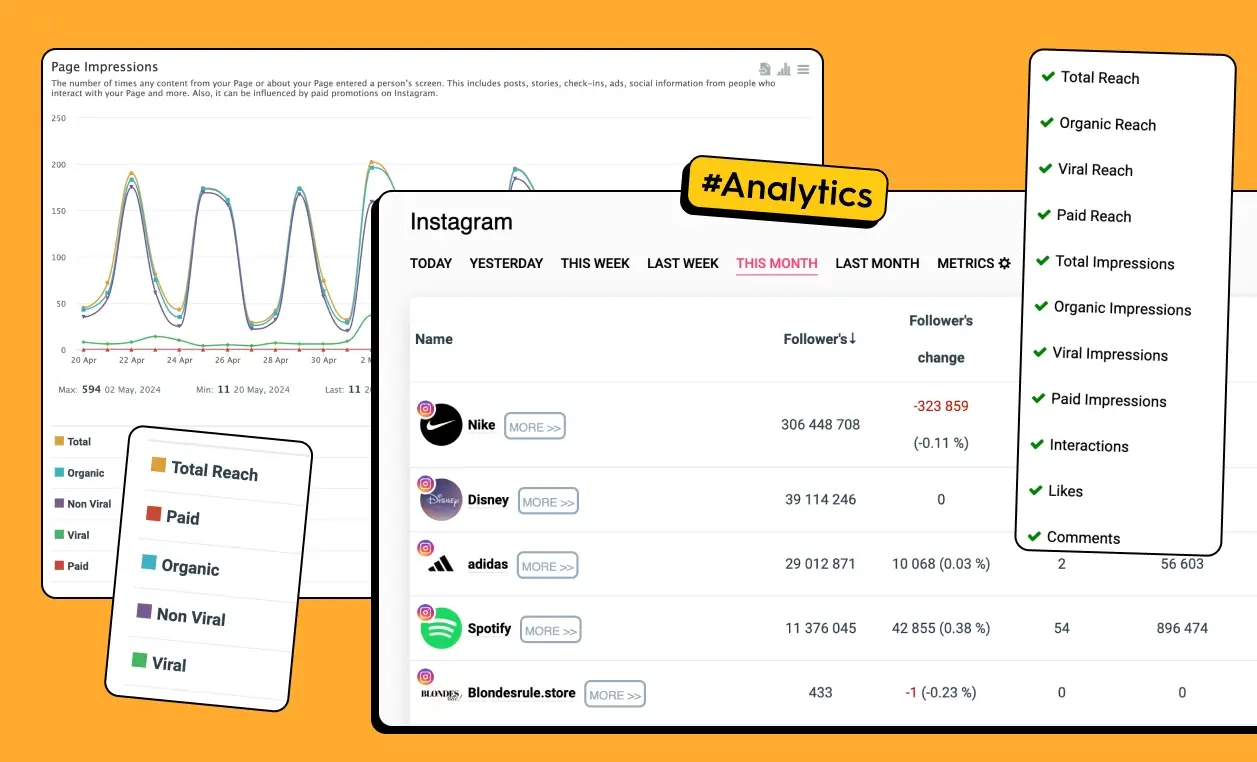
Análisis de ZoomSphere le ayuda a realizar un seguimiento de lo que funciona en este momento. No solo lo que funcionó bien hace tres meses. Usa los análisis, segmenta por comportamiento y relaciona lo que compartes con lo que las personas realmente interactúan. Esa es la mejor práctica.
Mantenga la proporción. O sigue perdiendo relevancia.
Los mejores profesionales del marketing trabajan dentro de un ratio de contenido real: 65% original, Curado en un 25%, 10% sindicado. Eso es lo que evita que tu marca suene como un álbum de remezclas de tomas de otras personas.
Ignora el equilibrio y tu audiencia te ignorará de inmediato.
¿Y si utilizas contenido curado como una forma de evitar pensar mucho? Genial. Pero llámalo como es.
Por supuesto, cura. Pero no olvides comentar. Contextualiza. Crítica. Desafío. Plomo.
Pon un tope a tu curaduría antes de que se convierta en una muleta
Esta es la verdad que a nadie le gusta decir en voz alta: el límite de selección del 25 al 30% existe porque los especialistas en marketing necesitan límites. Sin ellos, la curaduría se convierte en un camuflaje para la apatía creativa.
No puedes «equilibrar» tu feed con un 80% de enlaces prestados y llamarlo estrategia. Eso no es equilibrio. Eso es marcar por eco.
Cíñete a la proporción. O al menos, deja de fingir que tu resumen semanal de enlaces de Medium es liderazgo intelectual.
Cambia el formato antes de que la gente deje de buscar
Los enlaces de texto están agotados. Carruseles. Hilos cortos. Minicomentarios. Vídeos cortos que conectan los puntos. Estas son las expectativas mínimas.
No tienes que perseguir todos los formatos. Pero si lo único que publicas es el mismo título compartido, con el mismo formato y siempre en el mismo cuadro, estás enseñando a tu audiencia a pasar desapercibiendo a tu audiencia. Automáticamente.
%20(1).webp)
No clones. Plomo.
Si no recuerdas nada más, llévate esto: no puedes curar eficazmente si solo estás copiando lo que ya es viral. Internet ya tiene BuzzFeed. No estás ayudando siendo el primo un poco más tranquilo de BuzzFeed.
Se trata de cómo seleccionar el contenido de forma eficaz sin clonar a sus competidores. Esto significa usar herramientas que te ayuden a pensar con la plataforma, no en contra de ella.
Y las herramientas de curación de contenido son tan nítidas como el ser humano detrás de ellas. Por lo tanto, no necesitas más contenido. Necesitas un contexto más claro, un mejor momento y las agallas para decir algo cuando compartes algo.
Eso es lo que separa a un genio loco de un poco confundido.
Los pocos beneficios reales (y raros) de la curación de contenido
Seamos claros: la curación de contenido no es el problema. El problema es abusar de él como si fuera un parche de cafeína para tu tanque de ideas deshidratado.
Cuando se hace bien, y eso es un gran si — la curaduría se gana su lugar. Pero solo como condimento. No es el pavo. Nunca lo fue. Sin embargo, demasiados especialistas en marketing siguen distribuyéndolo como si fuera todo.
La autoridad necesita más que solo enlaces
Uno de los beneficios reales de la curación de contenido es su poder para señal autoridad, pero solo cuando la mezclas con tu propio análisis. Compartir contenido relevante sin adjuntar tu punto de vista no te hace perspicaz. Te convierte en un mensajero. Un intermediario de marca. Y nadie sigue a un portavoz a menos que haya algo que valga la pena citar.
Añade tu comentario. Explica el «por qué». De ahí viene la confianza. Sin voz, sin filo. Solo ruido.
{{componente de formulario}}
Puede demostrar que estás prestando atención (si es que realmente lo estás)
También es valioso usar la curaduría para mostrar conciencia en tiempo real. Las tendencias cambian rápidamente. Cuando tu audiencia ve que publicas contenido que refleja el momento actual, no el de hace seis semanas, estás dando muestras de relevancia.
Cuanto más fresca es la visión, más valiosa cree el cerebro que es. Las investigaciones muestran que la información nueva vinculada a eventos en tiempo real se percibe como mucho más útil que los datos reciclados, incluso cuando la calidad del contenido es idéntica.
Pero, una vez más, lo reciente sin relevancia es solo ansiedad por las noticias en forma de marca. No hagas curadurías porque es «nuevo». Selecciona porque es necesario, ahora mismo.
Puede ahorrar tiempo, pero no del que cree
Esta es la parte en la que todos se equivocan: la curación de contenido no te ahorra tiempo en la estrategia. Te ahorra tiempo en ejecución. Eso es todo.
Aún tienes que decidir qué es importante, por qué es importante y a quién le importa. Si utilizas la curaduría para evitar pensar por completo, no estás ahorrando tiempo. Solo estás subcontratando tus estándares.
Los especialistas en marketing inteligentes utilizan la curaduría para reducir la fricción editorial, no para reemplazar el hecho de tener cerebro.
Las marcas reales crean ideas, el resto simplemente las retuitea
Si la curación de contenido sigue siendo tu plato principal, no te sorprendas cuando la voz de tu marca suene como un ruido de fondo en el consultorio de un dentista. Los verdaderos profesionales del marketing crean ideas; no se limitan a reorganizar las sobras de otra persona para ponerlas en un plato más bonito.
Las marcas ganadoras ahora mezclan la curaduría con la creación como si se tratara de una ciencia, no de una noche de martes desesperada. Saben que la confianza muere rápido cuando el público huele a un imitador. La autenticidad no es solo una moda: es la tarifa mínima para permanecer en una habitación (pregúntale a cualquiera que sea marketing para la generación Z).
Tómate tus ideas en serio. Refuerza tu estrategia de selección de contenido antes de que tu relevancia se escape por la puerta lateral.
ZoomSphere tiene herramientas que realmente le ayudan pensar, no solo volver a publicar.
¡No te lo pierdas! #NoTeLoPierdas


